What is a Land Assembly?


A land assembly is when two or more neighbouring properties are sold together as one larger site, usually to a developer who plans to redevelop the land at a higher density. Instead of each owner selling their home individually, the group combines their lots to create a more attractive development site. 


For homeowners, this can mean accessing value that goes beyond what a single detached home or single lot is worth on its own. For developers, a land assembly can unlock enough frontage, depth, and site area to make multi-family housing or mixed-use projects financially viable.


In Greater Vancouver and Kelowna, where land is limited and demand for housing is high, land assemblies have become a key way to create new homes near transit, services, and growing urban centres.


Why Land Assemblies Matter Right Now in BC

Land assemblies have become increasingly important in British Columbia because many communities are being asked to accommodate more housing in areas that are already close to transit, services, schools, shopping, and employment centres.


In Greater Vancouver, provincial housing changes and local planning updates are creating more opportunities for higher-density redevelopment near rapid transit stations, major bus exchanges, town centres, and established growth corridors. In some areas, properties that were once viewed mainly as single-family homes may now have greater long-term potential when assembled with neighbouring lots.


For property owners, this is important because there can be a meaningful difference between an individual home’s resale value and the potential value of a larger assembled site. A single lot may appeal to one type of buyer, while multiple neighbouring lots may attract developers looking for enough frontage, depth, and site area to support multi-family development.


In Kelowna and the Okanagan, a similar shift is happening around urban centres and transit-supported corridors, where groups of single-family properties may be considered for future townhouse, low-rise, mid-rise, or mixed-use redevelopment.


Not every property is a land assembly candidate, and not every area will support the same density or development value. Zoning, lot size, frontage, location, services, access, neighbourhood planning, and developer demand all matter. However, if your property is near transit, a town centre, or an area experiencing growth, understanding its land assembly potential can be just as important as understanding its individual resale value.


Who Benefits From a Land Assembly?

A land assembly can benefit property owners, strata owners, developers, and builders when the site has strong redevelopment potential and the process is properly organized.


Homeowners

For individual property owners, a land assembly may help unlock value beyond the current home or single-lot resale value. This can be especially relevant for older homes, larger lots, or properties near transit, town centres, growth corridors, or areas shifting toward higher-density housing.


Strata Owners

Owners in older townhouse or condo complexes may also explore a group sale if the property is under-built, located in a growth area, or facing significant future repair costs.


Developers & Builders

Developers and builders benefit from assembled sites where multiple owners are aligned, expectations are realistic, and the land assembly potential is easier to evaluate.


My role is to help bridge the gap between property owners and developers by educating owners, organizing the process, aligning expectations, and presenting sites in a way that supports clearer planning, underwriting, and negotiations.

Land Assembly Opportunities by City

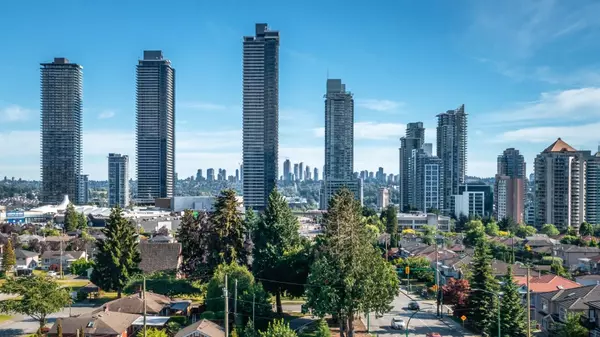
Burnaby land assembly - amanda helou - doma group - exp realty

Burnaby Land Assemblies 

Burnaby has become one of Metro Vancouver’s most active redevelopment hubs, with entire neighbourhoods transforming around Metrotown, Brentwood, Lougheed and Edmonds. Older single-family streets within these town centres and within walking distance of SkyTrain are often reviewed for assembly into larger multi-family, mixed-use or even master planning community sites.
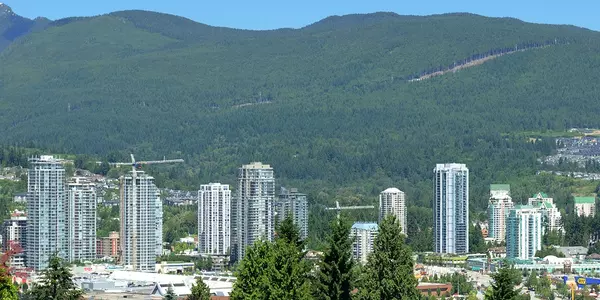
coquitlam land assembly - amanda helou - doma group - exp realty

Coquitlam Land Assemblies

Coquitlam is rapidly evolving around its SkyTrain stations and town centres, making it a key market for land assemblies. Areas near Coquitlam Centre, Lincoln, Lafarge Lake–Douglas, and Burquitlam stations, as well as key arterials feeding into these hubs, are often considered for higher-density projects. Older single-family pockets and underutilized sites in these corridors can be strong candidates for townhouse, low-rise, or mid-rise redevelopment.
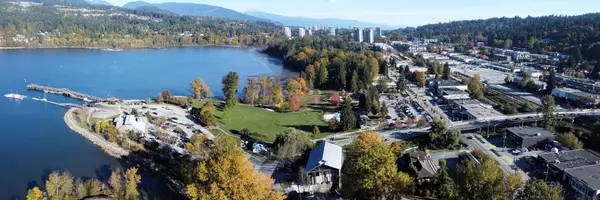
port moody land assembly - amanda helou - doma group - exp realty

Port Moody Land Assemblies

Port Moody offers a smaller, more boutique set of land assembly opportunities, with strong demand focused around transit and the waterfront. Neighbourhoods near Moody Centre and Inlet Centre stations, and along key routes connecting to the SkyTrain and West Coast Express, are of particular interest to developers. Older homes and mixed-use sites in these walkable areas may support thoughtful infill, low-rise, or mixed-use redevelopment that fits Port Moody’s village-style character.
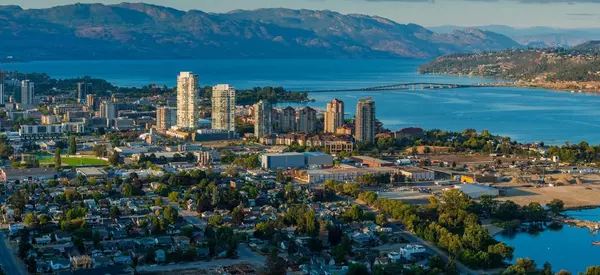
kelowna land assemblies with amanda helou

Kelowna & Okanagan Land Assemblies

Kelowna and the broader Okanagan are seeing substantial interest from developers assembling land near urban centres, transit-supported corridors, and growing residential nodes. Assemblies of multiple single-family lots can support mid-rise residential, mixed-use projects, or higher-density townhouse communities, especially in places like Rutland, Glenmore, and key arterial corridors.


How the Land Assembly Process Works

Every land assembly is different, but most follow a similar process. The goal is to understand the redevelopment potential, organize the right property owners, and present the opportunity clearly to qualified developers.


Step 1: Property Review & Strategy

The first step is reviewing the property through a developer’s lens. This may include:

- Current zoning and OCP designation
- Transit-oriented development or higher-density policies
- Lot size, frontage, depth, access, and site configuration
- Nearby rezonings, development applications, and assembled sites
- Whether the area may support townhomes, low-rise, mid-rise, or mixed-use redevelopment


From there, I provide a realistic opinion on whether a land assembly may be worth exploring or whether a traditional sale may make more sense.


Step 2: Neighbour Outreach & Group Alignment

If a land assembly appears viable, the next step is identifying which neighbouring properties may need to be involved. This part of the process is often slow, conversational, and educational.


Neighbouring owners may need help understanding:

- What a land assembly is
- Why the area may be attractive to developers
- What the potential benefits and risks may be
- How pricing, timing, subjects, and completion dates could work

A land assembly only works when the group is broadly aligned. My role is to help keep owners informed, organized, and realistic throughout the process.

Step 3: Developer Outreach

Once there is a committed group and a realistic pricing strategy, the opportunity can be presented to qualified developers and builders who are active in that specific market and product type.


This may include:

- Site details and rough redevelopment potential
- Zoning, OCP, and transit-oriented development context
- Lot size, frontage, access, and assembly details
- Any early planning, design, or feasibility information available


The goal is not to send the site to everyone. The goal is to create serious interest from the right buyers who understand the area, the density potential, and the type of development that may be possible.


Step 4: Offers, Negotiation & Conditions

Developer offers often look different from traditional residential offers. They may include longer completion timelines, due diligence periods, rezoning or feasibility conditions, phased completions, deposits, extensions, or other terms tied to the development process.


My role is to negotiate on behalf of the owners while balancing strong pricing with a deal structure that can still work for a serious developer.


Step 5: From Accepted Offer to Completion

Once an offer is accepted, the process still needs to be carefully managed. This may include tracking dates and conditions, coordinating paperwork, communicating with lawyers, managing extension requests, and keeping all owners updated as the file moves forward.


I stay involved through to completion so owners have one organized point of contact throughout the land assembly process.

Want to learn more about Land Assembly with Doma Group?

Land Assembly Expertise in Partnership With Doma Group

Land assemblies require more than a standard residential sale strategy. They involve planning context, zoning and density review, neighbour coordination, developer outreach, careful negotiation, and a clear understanding of how builders and municipalities evaluate redevelopment sites.


As a licensed real estate agent with eXp Realty and Partner at Doma Group, I work directly with property owners and neighbouring sellers throughout the land assembly process. My role is to help educate owners, coordinate communication, align expectations, and keep the process organized from the first conversation through to completion.


Each land assembly I work on is supported by Doma Group, a development-focused real estate team specializing in assembling and selling prime redevelopment sites across Greater Vancouver and British Columbia.


Doma Group brings:

- Over 26 years of real estate and development land experience
- More than $1.5 billion in closed residential and land sales volume
- A strong network of active developers and builders
- A strategic approach to zoning, OCP policy, density, and transit-oriented development opportunities


Together, our focus is to help property owners understand their land assembly potential, organize the group properly, connect with the right developers, and negotiate toward the strongest possible outcome for the property or block.

  • 25+

    Years of Experience

  • $1,500,000,000

    in Total Residential & Land Sales

  • $350,000,000+

    Million in Active Listings

  • 100+

    Active Listings in BC

Land Assembly FAQ

How do I know if my property has land assembly potential?

Key clues include: being close to a SkyTrain station or major bus exchange, falling within a town centre or growth corridor, or having a more intensive land use designation in the OCP than your current zoning reflects. The best way to know is to have a focused review of your property’s planning context and recent nearby development activity.

Do all of my neighbours need to participate?

Will I definitely get more than selling on my own?

How long does a land assembly take?

What happens if the market changes during the process?

Can I still buy another home if my closing date is far in the future?

I am a developer, how can I see your current and upcoming land assemblies?

Request a Land Assembly Evaluation Today

CONTACT ME DIRECTLY OR LEAVE A MESSAGE

Name
Phone*
Address
Message